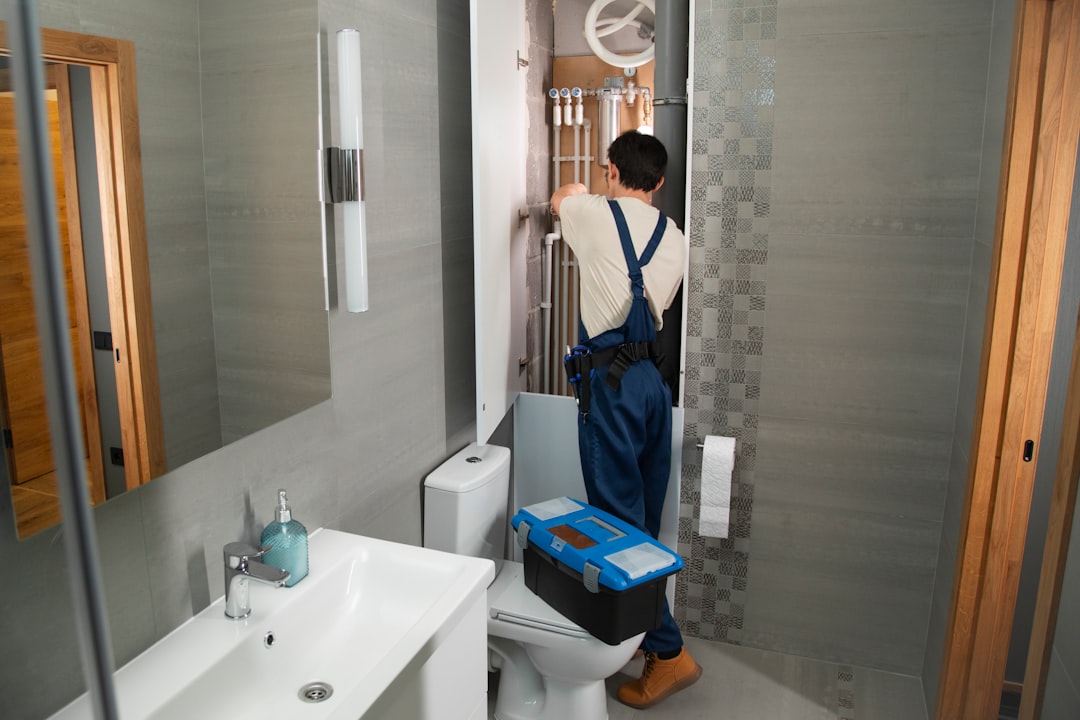
We understand that when winter grips Denver, the threat of frozen pipes can send a shiver down anyone’s spine, and not just from the cold. We recognize that a burst pipe can transform your home from a sanctuary into a waterlogged disaster zone, causing significant damage and considerable stress. This is why we are dedicated to providing expert frozen pipe repair services throughout the Denver metropolitan area. Our team of experienced plumbers is equipped to handle everything from minor frozen pipe issues to complex burst pipe emergencies. We are here to help you navigate the complexities of winter plumbing and restore normalcy to your home.
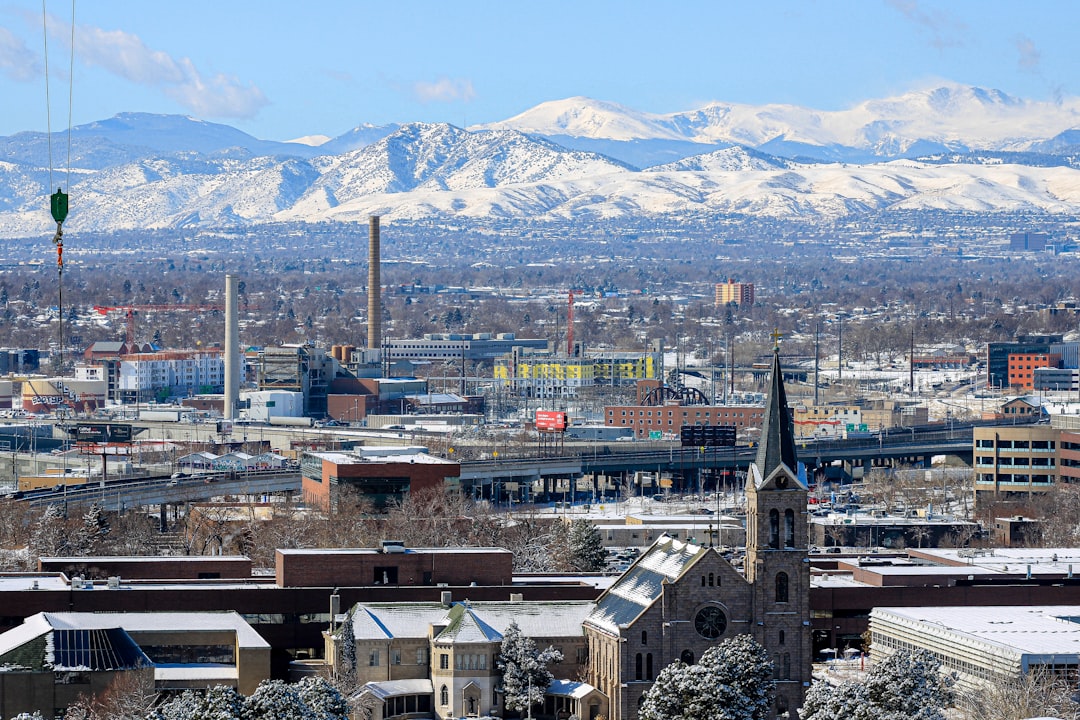
Denver, with its stunning mountain vistas and vibrant culture, also experiences a climate that poses distinct challenges to our homes, particularly our plumbing systems. The stark temperature drops experienced during winter months can turn otherwise robust pipes into brittle casualties of the cold. Understanding these risks is the first step in preventing catastrophic damage.
The Science Behind Freezing Pipes
When water within a pipe freezes, it expands. This fundamental principle of physics is the root cause of burst pipes. As the water transforms into ice, its volume increases by approximately 9%. This expansion exerts immense pressure on the interior walls of the pipe. If this pressure exceeds the pipe’s structural integrity, it will inevitably rupture. The weakest points, often elbows, tees, and areas where pipes are exposed to the harshest cold, are most susceptible to this pressure.
Factors Contributing to Frozen Pipes in Denver
Several factors contribute to the prevalence of frozen pipes in Denver homes:
- Temperature Fluctuations: Denver experiences significant temperature swings. Extended periods of sub-freezing temperatures, especially when combined with wind chill, can drive the temperature down to critical levels within walls and crawl spaces.
- Poor Insulation: Inadequate insulation in attics, basements, crawl spaces, and exterior walls allows the cold to penetrate more easily, chilling exposed water pipes. Homes built before modern insulation standards were common are particularly vulnerable.
- Unheated Areas: Pipes running through unheated garages, basements, crawl spaces, porches, and attics are prime targets for freezing. These areas are often the first to succumb to the winter chill.
- Drafts and Air Leaks: Gaps around windows, doors, and vents can allow cold air to infiltrate your home and directly target plumbing. These seemingly small breaches can act like tiny, icy fingers, chilling nearby pipes.
- Thermostat Settings: Setting your thermostat too low while away from home for extended periods, even if above freezing, can leave pipes vulnerable if coupled with other risk factors. The ambient temperature may not be sufficient to keep the water moving and thus prevent freezing.
- Inadequate Water Flow: Stagnant water is more likely to freeze. In areas with low water usage, such as guest bathrooms or vacation homes, pipes are at a higher risk.
The Consequences of a Frozen or Burst Pipe
The consequences of undetected frozen pipes or a subsequent burst can be severe and far-reaching:
- Water Damage: This is the most immediate and obvious consequence. Water can saturate drywall, insulation, flooring, and wooden structures, leading to mold growth, rot, and structural weakening. The damage can spread rapidly, often unseen behind walls.
- Electrical Hazards: Water and electricity are a dangerous combination. Leaking water can come into contact with electrical wiring, posing a significant risk of fire and electrocution.
- Mold and Mildew Growth: The damp environment created by leaks provides an ideal breeding ground for mold and mildew, which can compromise indoor air quality and lead to respiratory problems and allergies.
- Costly Repairs: Not only will you need to address the plumbing issue itself, but you will also face the expense of repairing or replacing damaged building materials, furniture, and personal belongings. Insurance deductibles can also be substantial.
- Disruption to Daily Life: A burst pipe can render parts of your home unusable, forcing you to relocate or live with significant inconvenience during the repair process and subsequent restoration.
Our Expert Approach to Frozen Pipe Diagnosis and Repair
When you suspect a frozen pipe or discover a leak, swift and expert action is crucial. Our team approaches frozen pipe issues with a methodical and comprehensive strategy to ensure efficient and effective resolution. We don’t just patch the problem; we aim to resolve the underlying cause and prevent future occurrences.
Rapid Response to Frozen Pipe Emergencies
We understand that a frozen pipe is not a problem that waits for convenient hours. Our emergency services are designed to respond quickly to your calls, especially during Denver’s harsh winter months. Time is of the essence; the longer a pipe remains frozen or leaks, the greater the potential for damage. We prioritize immediate assessment and intervention.
Thorough Inspection and Diagnosis
Our technicians begin by conducting a thorough inspection of your plumbing system. This involves:
- Identifying Affected Areas: We use visual cues, such as frost on pipes or water staining, and listen for unusual sounds to pinpoint the location of the frozen section.
- Assessing the Extent of Freezing: We determine if it’s a localized freeze or if multiple sections are affected.
- Locating Weak Points: We identify areas that are particularly vulnerable to freezing, such as those with poor insulation or exposure to cold drafts.
- Checking for Existing Damage: We look for any pre-existing cracks or weaknesses in the pipes that may have contributed to the freeze or potential burst.
Re-establishing Water Flow: Safe Thawing Techniques
Thawing a frozen pipe safely is paramount to preventing further damage. We employ a variety of professional re-thawing methods, avoiding risky DIY approaches that can exacerbate the problem:
- Applying Heat: We use professional-grade heating devices to gently warm the affected pipe. This can include:
- Heat Guns: Controlled application of hot air to gradually melt the ice.
- Infrared Lamps: These emit radiant heat that penetrates the pipe and surrounding material.
- Electric Heating Cables: Applied directly to the pipe, these provide consistent, controlled heat.
- Circulating Warm Water: In some cases, we may gently run warm water over the affected area.
- Ventilation: Ensuring proper ventilation can help dissipate moisture and prevent condensation from refreezing.
We never recommend using an open flame, such as a blowtorch, to thaw pipes. The risk of fire is incredibly high, and the intense heat can damage the pipe itself, leading to a more serious problem.
Pipe Repair and Replacement Expertise
Once the pipe is thawed, and if a burst has occurred, our expertise extends to repairing or replacing the damaged section. Our plumbers are skilled in working with a variety of pipe materials, including:
- Copper: A durable and common material, requiring precise soldering or compression fittings for repairs.
- PEX (Cross-linked Polyethylene): A flexible and freeze-resistant tubing that uses crimp or expansion fittings for repairs.
- PVC (Polyvinyl Chloride): Often used for drainage systems, it requires solvent welding for repairs.
- Galvanized Steel: An older material that can be prone to corrosion; repairs may involve threading or specialized couplings.
Our repair process includes:
- Assessing the Damage: Determining the severity of the rupture – a pinhole leak versus a full split.
- Cutting and Removing Damaged Section: Precisely removing the compromised portion of the pipe.
- Installing a New Section: Using the appropriate fittings and techniques for the specific pipe material to seamlessly integrate the new section.
- Pressure Testing: After repairs, we rigorously test the system to ensure there are no leaks and that the integrity of the plumbing has been restored.
Proactive Measures: Preventing Frozen Pipes in Denver
While our expert repair services are available when needed, we strongly advocate for proactive measures to prevent frozen pipes in the first place. Prevention is always more cost-effective and less disruptive than emergency repair. We offer guidance and services to fortify your home against Denver’s winter chill.
Insulating Exposed Pipes
One of the most effective preventative strategies is proper insulation. We can help you identify and insulate all vulnerable piping:
- Basements and Crawl Spaces: These areas often house a significant portion of a home’s plumbing. We ensure that pipes running through these unheated spaces are adequately wrapped with foam pipe insulation sleeves, fiberglass wrap, or other insulating materials.
- Attics: Pipes passing through attics, especially those supplying upper-level bathrooms or outdoor spigots, need comprehensive insulation.
- Exterior Walls: Even pipes within walls can freeze if the exterior walls are poorly insulated or if there are drafts.
- Garages and Unheated Outbuildings: Pipes leading to detached garages or sheds are highly susceptible to freezing.
Sealing Air Leaks and Drafts
Cold air can seep into your home through numerous small openings, creating chilling pockets around your plumbing. Our team can help you identify and seal these vulnerabilities:
- Window and Door Seals: Checking and replacing worn weatherstripping.
- Exterior Wall Penetrations: Sealing any openings where pipes or wires enter the house from the outside.
- Vents and Gaps: Inspecting and sealing gaps around vents, dryer exhausts, and other openings in the foundation or exterior walls.
- Recessed Lighting and Electrical Outlets: These can be surprising points of air infiltration, especially in ceilings and exterior walls.
Maintaining Adequate Home Temperature
While it might seem obvious, consistent, adequate heating is a key deterrent to frozen pipes.
- Thermostat Management: We advise against setting your thermostat too low, especially when away from home. Even a modest temperature increase can make a significant difference. Consider using a programmable or smart thermostat to maintain a consistent temperature.
- Allowing for Air Circulation: Ensure that furniture or draperies are not blocking vents or radiators, allowing warm air to circulate freely throughout your home.
Strategic Water Use During Extreme Cold
When temperatures plummet, simple actions can keep water moving and thus prevent freezing.
- Dripping Faucets: During extreme cold snaps, allowing a small trickle of water to run from faucets in the most vulnerable areas can prevent freezing. This is particularly effective for pipes that are exposed to outside air. The constant movement of water makes it much harder for ice to form.
- Opening Cabinet Doors: For pipes located in kitchen or bathroom cabinets that are on exterior walls, opening the cabinet doors allows warmer room air to circulate around the pipes.
Addressing Specific Denver Plumbing Challenges
Denver’s unique geography and building styles present specific challenges that our expertise is tailored to address. We understand the nuances of homes in the Mile High City.
Older Homes and Historic Plumbing Systems
Many of Denver’s neighborhoods boast beautiful historic homes, which often feature older plumbing systems. These systems, while charming, may have original piping materials and insulation levels that are less resilient to modern winter demands.
- Galvanized Steel Pipes: These older pipes can be prone to internal corrosion, which constricts water flow and makes them more susceptible to freezing. We can assess the condition of galvanized pipes and recommend upgrades or targeted repairs.
- Deteriorated Insulation: Older homes may have insufficient or degraded insulation, leaving pipes vulnerable. We specialize in identifying and reinforcing insulation in these historic structures.
- Unforeseen Vulnerabilities: In older homes, plumbing runs can be complex and less obvious. Our detailed inspections are designed to uncover even the most hidden risks.
New Construction and Modern Plumbing
Even newer homes are not entirely immune to frozen pipes. While modern building codes often mandate better insulation and materials, oversight or specific design choices can still create vulnerabilities.
- “Builder-Grade” Practices: Sometimes, even new construction may have areas where insulation is not applied optimally, or pipes are routed through less-than-ideal locations to save on construction costs.
- Unfinished Basements and Garages: These areas in new homes may not be fully heated or insulated, posing a risk to plumbing within them.
- Outdoor Spigots and Irrigation Systems: Modern homes often have more extensive outdoor plumbing, including multiple spigots and complex irrigation systems, all of which require proper winterization.
Seasonal Homes and Vacation Properties
For Denver residents who own vacation homes or rental properties, maintaining the plumbing during winter can be a significant concern, especially when properties are unoccupied for extended periods.
- Automated Winterization Systems: We can install and recommend systems that automatically drain water lines when temperatures drop below a certain point.
- Remote Monitoring: For some systems, we can set up remote monitoring that alerts homeowners or our team to potential issues.
- Regular Inspections: We offer scheduled winter inspections for seasonal properties to proactively identify and address any emerging problems.
Your Trusted Partner for Winter Plumbing Peace of Mind
| Metric | Value | Details |
|---|---|---|
| Average Repair Time | 2-4 hours | Typical duration to thaw and repair frozen pipes in Denver homes |
| Common Causes | Low temperatures, poor insulation | Denver’s cold winters often lead to pipe freezing |
| Peak Season | December – February | Most frozen pipe repairs occur during winter months |
| Average Repair Cost | 150 – 500 | Cost range for typical frozen pipe repair services in Denver |
| Preventative Measures | Pipe insulation, heat tape | Common methods to prevent pipe freezing |
| Emergency Service Availability | 24/7 | Many Denver plumbers offer round-the-clock frozen pipe repair |
When winter arrives in Denver, the possibility of frozen pipes can be a source of anxiety. We aim to transform that anxiety into confidence by providing reliable, expert plumbing services. Our commitment is to protect your home and ensure your comfort throughout the colder months.
Experienced and Certified Denver Plumbers
Our team consists of highly skilled and certified plumbers who have extensive experience dealing with the specific challenges of Denver’s climate. They are trained in the latest techniques for frozen pipe diagnosis, thawing, and repair, and they understand the unique building characteristics of the area.
Commitment to Customer Satisfaction
We pride ourselves on our commitment to customer service. From your initial call to the completion of the repair, we strive to provide a transparent, efficient, and respectful experience. We believe in clear communication, fair pricing, and thorough work.
Emergency Services Available
We are available to address your frozen pipe emergencies. Don’t let a frozen pipe disrupt your life; contact us immediately for prompt and professional assistance. We are your partners in navigating the unpredictable nature of winter plumbing.
Preventative Maintenance Programs
To further safeguard your home, we offer preventative maintenance programs. These services can include insulation checks, draft sealing, and a thorough inspection of your entire plumbing system before the harsh winter weather sets in. Investing in preventative maintenance is like building a sturdy shield against the cold, ensuring your home remains a warm and dry haven.
We are more than just a plumbing service; we are your dedicated allies in maintaining the integrity and functionality of your home’s plumbing system, especially when the Denver winter throws its worst at us. Your peace of mind is our priority.