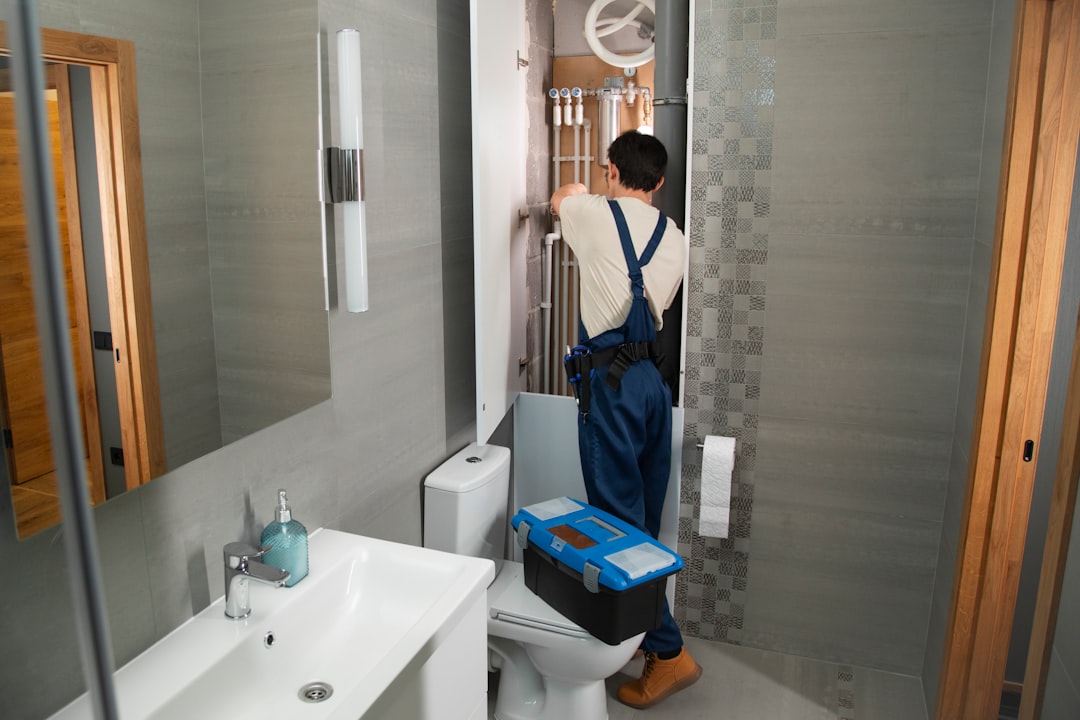
We can face a challenging situation in Denver when our city’s wastewater system experiences an overflow emergency. These events, often triggered by heavy rainfall overwhelming our infrastructure, are more than just an inconvenience; they represent a significant public health and environmental concern. Understanding what triggers these overflows, how they impact us, and, most importantly, what actions we can take is crucial for navigating these disruptions effectively and safely.
Denver, like many growing urban centers, relies on a complex network of pipes to manage its wastewater. This system, a silent circulatory system for our city, is designed to handle a certain capacity. However, when this capacity is breached, the consequences can be widespread and, at times, alarming.
The Role of Rainfall and Snowmelt
Our beloved Colorado climate, with its dramatic shifts from dry spells to deluges, plays a pivotal role. Heavy rainfall, particularly during thunderstorm season, can pour a massive influx of water into our storm drains. Similarly, rapid snowmelt in the spring, when temperatures rise suddenly, contributes significant volumes of water to the system. This combined influx can quickly outstrip the capacity of our wastewater treatment plants and sewer lines, like an overfull bathtub with the tap still running.
Aging Infrastructure and Infiltration
Beyond weather events, the age of our city’s infrastructure is a contributing factor. As pipes age, they can crack, leading to infiltration. This means groundwater, which is always present beneath the surface, seeps into the sewer lines. While individually minor, the cumulative effect of infiltration across miles of aging pipes adds a constant, insidious stream to the wastewater flow, further taxing the system’s capacity, especially when combined with storm runoff. Think of it as tiny leaks in a large water tank, gradually diminishing its effective volume.
Blockages and Obstructions
Human activity, unfortunately, also contributes to the problem. Improper disposal of items such as grease, wipes, and even excessive amounts of toilet paper can create blockages within the sewer lines. These blockages act like dams, hindering the flow of wastewater and causing pressure to build up behind them. When the pressure becomes too great, or when combined with a surge from rainfall, the system can back up, leading to overflows.
Recognizing the Signs and Symptoms of an Overflow
Being able to identify the early warning signs of a toilet overflow or sewer backup is paramount. The sooner we recognize the problem, the quicker we can mitigate its impact and protect ourselves and our property. These indicators can manifest in various ways, both within our homes and in our neighborhoods.
Within Your Home: The Unmistakable Signs
The most immediate and concerning indicator of a potential overflow is, of course, what happens within our own plumbing.
Slow Draining Fixtures
If we notice that our sinks, showers, or even our toilets are draining significantly slower than usual, this can be a precursor to a more serious problem. It suggests that the wastewater is not flowing freely through the system and is encountering resistance. This sluggishness is akin to a traffic jam on a highway, where vehicles are moving but at a painfully slow pace.
Gurgling Sounds from Drains
Unusual gurgling noises emanating from drains are another red flag. These sounds typically occur when air is being forced back up through the pipes, which can happen when wastewater is unable to flow away properly. It’s the system’s way of groaning under pressure.
Foul Odors
A persistent and unpleasant sewer odor emanating from drains or toilets, even when they appear to be functioning normally, is a strong indicator of a problem deeper within the plumbing or sewer lines. This smell is often the unmistakable perfume of sewage, attempting to escape its intended path.
Water Rising in Toilets or Drains
The most alarming sign is when water begins to rise in a toilet bowl or drain, especially when it’s not being used. This is a clear indication that the wastewater cannot escape and is backing up into our homes. This is the moment the dam has effectively broken.
In Your Neighborhood: External Indicators
While internal signs are the most urgent, external indicators can also alert us to a broader issue affecting our community.
Street Flooding with Sewage
In the event of a significant overflow, we may observe flooding in our streets, with wastewater visibly pooling. This is a clear sign that the municipal sewer system is overwhelmed and is discharging raw sewage. This is a stark visual reminder of the system’s failure.
Sewage Backing Up from Manholes
Manholes, designed to allow access to the sewer lines, may also become points of overflow during an emergency. Seeing sewage spewing from these openings is a direct indicator of a severe blockage or overwhelming capacity. It’s like watching pressure relief valves in an industrial setting.
Discolored or Smelly Storm Drains
While storm drains are designed to carry rainwater, during an overflow event, they can become conduits for sewage. We might notice discolored water or a foul odor emanating from these drains, signaling that they are no longer solely carrying stormwater.
Immediate Actions: What to Do When You Suspect an Overflow
When we encounter what appears to be a toilet overflow or sewer backup, acting swiftly and decisively is crucial. Our primary objectives are to prevent further damage, protect our health, and ensure the issue is reported to the appropriate authorities.
Do Not Flush the Toilet
This is perhaps the most critical piece of advice. If we suspect an overflow, under no circumstances should we flush the toilet. Flushing will only add more water and waste to an already overloaded system, exacerbating the backup and potentially causing more widespread damage. It’s like pouring gasoline on a fire.
Avoid Using Water Fixtures
Similarly, we should refrain from using any water fixtures in our homes, including sinks, showers, and washing machines. All of these contribute to the wastewater flow, and introducing more water into the system will only worsen the situation. The less water we introduce, the less pressure we add.
Stop the Flow of Water from Appliances
If we are in the process of running a dishwasher or washing machine, we should stop them immediately. These appliances discharge significant amounts of water and should not be operated until the sewer system is functioning normally.
Minimize Contact with Affected Areas
If sewage has backed up into our homes or if we are near an overflow site in the neighborhood, we must minimize direct contact with the contaminated water. This water can contain harmful bacteria and pathogens. Treat any contact as a potential health hazard.
Use Protective Gear
If we must enter an area that has come into contact with sewage, we should wear protective gear. This includes rubber gloves, boots, and potentially a mask if there’s a risk of airborne particles. This is our personal shield against unseen dangers.
Ventilate the Area
If sewage has entered our home, it’s important to ventilate the area as much as possible. Open windows and doors to allow fresh air to circulate, which can help dissipate odors and potentially reduce the concentration of airborne contaminants.
Contact the Appropriate Authorities Immediately
This is non-negotiable. As soon as we suspect an overflow, we must report it.
Denver Water and Public Works
The primary entities to contact for sewer overflows in Denver are Denver Water and Denver Public Works. They are responsible for managing the city’s wastewater infrastructure and will dispatch crews to assess and address the situation. It’s their job to be the plumbers for our city.
Denver Water Customer Service: (This information is subject to change, please verify on their official website)
Denver Public Works – Street Maintenance: (This information is subject to change, please verify on their official website)
Reporting Online or Via Phone
Most municipal services provide multiple channels for reporting issues. We should check Denver Water’s and Denver Public Works’ official websites for online reporting portals or dedicated phone numbers for emergencies. Timely reporting is like sounding an early alarm for the city.
Long-Term Solutions and Prevention: Building a Resilient System
While immediate actions are critical during an overflow emergency, it’s also important to consider the long-term strategies that can prevent these events from occurring in the first place and build a more resilient infrastructure for Denver.
Investment in Infrastructure Upgrades
Our city’s infrastructure has been a workhorse for decades, but like any workhorse, it requires ongoing maintenance and upgrades. Significant investment in repairing and replacing aging sewer lines, expanding capacity at treatment plants, and implementing modern technologies are essential for handling Denver’s growing population and changing climate. This is an investment in our collective future, ensuring the city can breathe freely.
Public Education and Awareness Campaigns
Many overflows are preventable through public awareness. Educating residents on what not to flush down toilets and drains, the importance of proper waste disposal, and the impact of these actions on the sewer system can significantly reduce blockages. Think of these campaigns as equipping us with the knowledge to be responsible stewards of our city’s plumbing.
What NOT to Flush
A consistent message about what should not be flushed is vital. This includes:
- Wipes (even “flushable” ones): These do not break down like toilet paper and are a major cause of blockages.
- Grease and Fats: When cooled, these solidify and form stubborn blockages.
- Paper Towels and Tissues: These are designed to be absorbent and do not disintegrate in water.
- Cotton Swabs and Balls: These can clump together and create significant obstructions.
- Feminine Hygiene Products: These are designed to absorb, not dissolve.
- Diapers: These expand significantly in water.
- Medications: These should be disposed of properly, not flushed, as they can contaminate water sources.
Proper Disposal of Household Waste
Encouraging residents to use trash cans for all disposable items, and providing clear guidelines for hazardous waste disposal, further contributes to a cleaner and more efficient sewer system.
Monitoring and Maintenance Programs
Regular monitoring of the sewer system, including inspections and proactive maintenance, can help identify potential problems before they escalate into full-blown emergencies. This includes using advanced technologies like closed-circuit television (CCTV) to inspect pipes for cracks or blockages. Consistent upkeep is like regular check-ups for our city’s health.
Protecting Yourself and Your Property: Mitigation and Recovery
| Metric | Value | Details |
|---|---|---|
| Average Response Time | 30 minutes | Time taken for emergency plumbers to arrive in Denver |
| Common Causes | Clogs, Broken Flapper, Faulty Fill Valve | Typical reasons for toilet overflow emergencies |
| Number of Emergency Calls per Month | 150-200 | Estimated emergency toilet overflow incidents reported in Denver |
| Average Repair Duration | 1-2 hours | Time required to fix toilet overflow issues |
| Preventative Tips | Regular Maintenance, Avoid Flushing Non-Flushables | Recommended actions to prevent toilet overflow emergencies |
When an overflow occurs, protecting ourselves and our property from the immediate impacts and the aftermath is crucial. Sewage is a biohazard, and prompt action is necessary for both health and economic recovery.
Steps to Take During an Overflow Event
As discussed earlier, the immediate steps are paramount.
Disinfection and Cleaning
If sewage has entered your home, thorough disinfection and cleaning are essential. This is not a task for the faint of heart, but it’s a necessary one.
Professional Cleaning Services
For significant contamination, it is highly recommended to engage professional water and sewage damage restoration services. These companies have the specialized equipment, cleaning agents, and expertise to safely and effectively clean and disinfect affected areas. This is where the pros step in to wield the heavy-duty cleaning arsenal.
DIY Cleaning (with extreme caution)
If the contamination is minor and localized, and you choose to clean it yourself, exercise extreme caution.
- Wear Protective Gear: Always wear rubber gloves, boots, and eye protection. Consider a respirator if dealing with significant odors or airborne particles.
- Remove Contaminated Materials: Discard any porous materials that have been contaminated (e.g., carpets, upholstered furniture, mattresses) as they are extremely difficult to clean and disinfect effectively.
- Clean Hard Surfaces: Use a stiff brush and a strong disinfectant solution (e.g., a bleach and water solution, following manufacturer instructions) to scrub all hard surfaces.
- Rinse and Dry Thoroughly: Rinse surfaces with clean water and ensure they are dried completely to prevent mold growth.
Documenting Damage for Insurance Claims
If your property has been damaged by a sewer overflow, it’s vital to document everything meticulously for insurance purposes.
Take Photographs and Videos
Before cleaning or discarding anything, take clear photographs and videos of the damage, including affected areas, damaged belongings, and any visible signs of the overflow. This visual evidence is the objective account of the event.
Keep Records of Expenses
Create a detailed log of all expenses incurred for cleaning, repairs, temporary housing, and replacement of damaged items. Keep all receipts and invoices. This meticulous record-keeping forms the financial evidence.
Contact Your Insurance Provider
Notify your homeowner’s insurance provider as soon as possible to initiate the claims process. They will guide you through the necessary steps and documentation required. Your insurance provider is your financial safety net in these situations.
The Role of Flood Insurance
It’s important to note that standard homeowner’s insurance policies may have limitations regarding sewer backups. We should review our policy or consider obtaining separate flood insurance or sewer backup coverage, which can provide crucial financial protection in such events. This is like adding specialized armor to your existing protection.
Community Responsibility and Preparedness: A Collective Effort
Addressing Denver’s toilet overflow emergency is not solely the responsibility of municipal departments; it’s a collective effort that requires community engagement, preparedness, and a shared understanding of our role in maintaining a healthy urban environment.
Staying Informed and Prepared
In an era of instant information, staying informed about potential issues within our city is easier than ever.
Official City Communications
We should make a habit of monitoring official communications from Denver Water, Denver Public Works, and local emergency management agencies. This can include subscribing to email alerts, following them on social media, or checking their official websites regularly, especially during periods of heavy rainfall or snowmelt. Being an informed citizen is being a prepared citizen.
Emergency Preparedness Kits
While not directly related to sewer overflows, having a general emergency preparedness kit in our homes is always wise. This kit should include essential supplies like water, non-perishable food, first-aid supplies, flashlights, and batteries. This ensures we can manage basic needs during any disruption.
Supporting Local Initiatives
Our city’s infrastructure is a living, breathing entity, and it requires our support.
Participating in Public Forums
When opportunities arise to participate in public forums or provide feedback on infrastructure projects and urban planning, we should consider doing so. Our voices can help shape the future of Denver’s wastewater management. Being a participant is more impactful than being a bystander.
Advocating for Investment
Supporting initiatives and advocating for increased investment in our city’s aging infrastructure is crucial. This can involve contacting our local representatives and expressing our concerns about the importance of maintaining and upgrading our essential services. Our collective voice can be amplified through advocacy.
Neighborly Support and Awareness
In the event of an overflow, checking on our neighbors, particularly those who may be more vulnerable, can make a significant difference. Sharing information and offering assistance can foster a stronger, more resilient community. Compassion extends beyond our own doorsteps.
By understanding the causes, recognizing the signs, acting decisively, and working together to support long-term solutions, we can better navigate the challenges posed by Denver’s toilet overflow emergencies and build a healthier, more resilient future for our city.