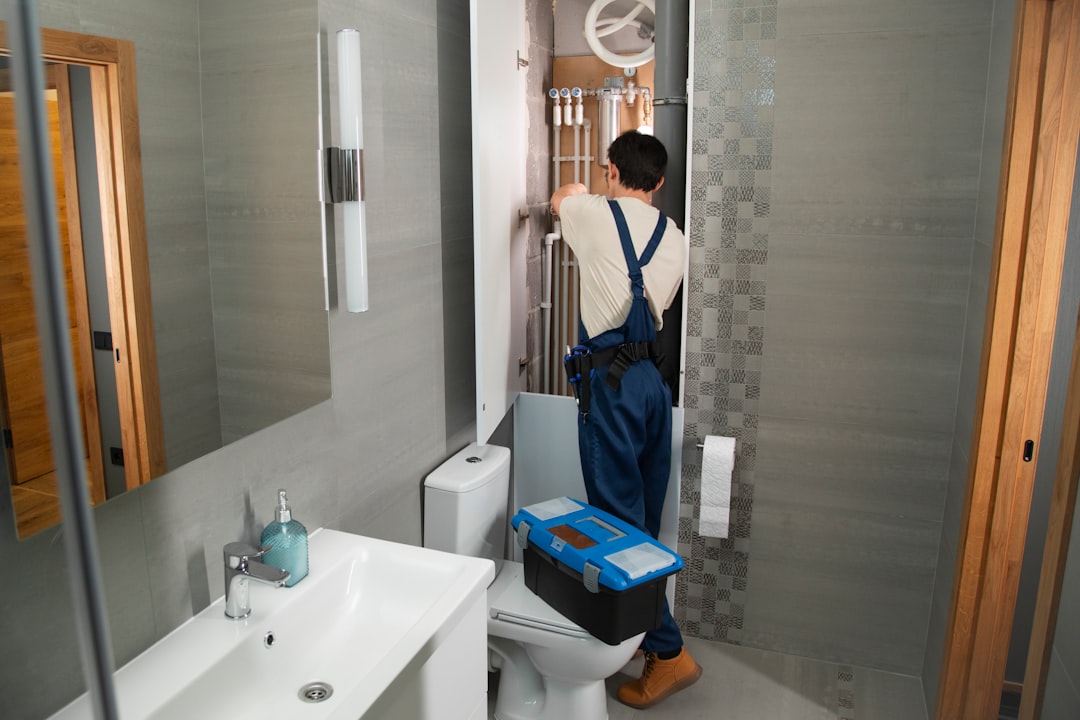
We’ve all been there – the tell-tale gurgle, a rising water level, and then the sickening moment when our Denver toilet decides to stage an aquatic rebellion. A toilet overflow is more than just an inconvenience; it’s a potential disaster that can lead to significant water damage, costly repairs, and a significant disruption to our daily lives. In this comprehensive guide, we will walk you through the immediate steps to take, preventative measures, and long-term solutions to mitigate the impact of a toilet overflow emergency in our homes across the Mile High City.
When a toilet overflows, our first priority is to halt the flow of water. Every second counts, and quick action can prevent extensive damage to our floors, walls, and belongings. Think of this as stemming the tide of a small tsunami within our own bathrooms.
The Tank Lid Maneuver: Our First Line of Defense
As soon as we realize the toilet is overflowing, our immediate instinct might be to panic. Instead, we must access the internal mechanisms of the toilet.
- Remove the Tank Lid: Carefully lift the lid off the toilet tank. It can be heavy and fragile, so exercise caution.
- Locate the Flapper: Inside the tank, we will see a rubber or plastic flapper valve at the bottom of the tank. This flapper is responsible for sealing the drain hole and holding water in the tank. If the toilet is overflowing, it’s likely that the flapper isn’t sealing properly, or the fill valve is continuously discharging water.
- Manually Seal the Flapper: With our hand, we can press down firmly on the flapper to ensure it creates a tight seal. This will temporarily stop water from entering the bowl from the tank.
The Crucial Shut-Off Valve: Your Ultimate Control
While manually sealing the flapper might provide a brief reprieve, it’s not a permanent solution. Our next step is to cut off the water supply entirely. This is akin to turning off the faucet at the source rather than just putting a plug in the sink.
- Locate the Shut-Off Valve: Below the toilet tank, typically on the left side, we will find a small, chrome-plated valve with a handle. This is the toilet’s shut-off valve.
- Turn Clockwise to Close: Firmly turn the handle clockwise until it stops. This will completely cut off the water supply to the toilet, preventing any further ingress into the bowl. We should feel a definite resistance as we turn it.
- Verify Water Stoppage: Observe the water level in the bowl. If we have successfully turned off the valve, the water level should no longer be rising or flowing.
Assessing the Damage and Initial Cleanup: The Aftermath
Once the water flow has been stopped, we can begin to assess the extent of the damage and initiate the cleanup process. This phase is about containment and damage control.
- Contain the Water: Use towels, old rags, or a wet/dry vacuum cleaner to absorb as much standing water as possible. We want to prevent the water from spreading beyond the immediate bathroom area.
- Protect Adjacent Areas: If water has seeped under the bathroom door or into adjacent rooms, we should place towels or barriers to prevent further migration.
- Identify the Source (if not obvious): While our immediate reaction is to stop the flow, understanding why the overflow occurred can help prevent future incidents. Was it a clog? A malfunctioning fill valve? We’ll delve into these causes later.
Understanding the Root Causes: Why Our Toilets Betray Us
Knowing how to stop an overflow is crucial, but understanding why it happened is equally important for long-term prevention. Think of this as diagnosing the illness to prevent a recurrence.
Clogged Drains: The Most Common Culprit
The vast majority of toilet overflows in Denver, as elsewhere, are due to blockages in the drainpipe. Our household waste management system is surprisingly delicate.
- Non-Flushable Items: Our toilets are designed to handle human waste and toilet paper. Anything else – wet wipes (even “flushable” ones), feminine hygiene products, paper towels, cotton balls, dental floss, or children’s toys – can easily create a formidable blockage. These items act like a dam, obstructing the flow of water and waste.
- Excessive Toilet Paper: While toilet paper is designed to dissolve, using excessive amounts in a single flush can sometimes overcome the system’s ability to clear the pipes, especially in older plumbing systems or those with low water pressure.
- Main Sewer Line Blockages: In more severe cases, the blockage might not be in our individual toilet’s trap or drain but further down in the main sewer line serving our home or even our entire neighborhood. This can affect multiple drains in the house and is a more serious issue requiring professional attention.
Malfunctioning Fill Valves: The Constant Stream
Sometimes, the problem isn’t a blockage but a mechanical failure within the toilet’s tank itself. The fill valve, also known as the ballcock, controls the water filling the tank after each flush.
- Failed Float Mechanism: The fill valve uses a float to sense the water level in the tank. If the float gets stuck, or the arm connecting it to the valve breaks, the valve may not shut off properly, leading to a continuous influx of water, which then overflows the bowl.
- Worn Seals or Gaskets: Over time, the internal seals within the fill valve can wear down, leading to a slow leak or a failure to shut off completely, analogous to a leaky faucet that never quite stops dripping.
Flapper Valve Issues: The Loose Seal
The flapper valve at the bottom of the tank is crucial for holding water in the tank until we flush. A faulty flapper can cause a continuous trickle or an immediate overflow.
- Improper Seating: If the flapper doesn’t seat correctly on the flush valve opening, water will continuously flow into the bowl, eventually causing an overflow. This can happen if the chain connected to the flush lever is too short or too long, or if debris gets under the flapper.
- Degraded Rubber: The rubber material of the flapper can degrade over time, becoming stiff or misshapen, preventing it from forming a watertight seal. This is a common issue in older toilets.
Cleanup and Sanitization: Post-Emergency Protocol
Once the immediate crisis of overflowing water is averted, our attention must shift to thorough cleanup and sanitization. This is not merely about drying; it’s about preventing mold, mildew, and bacterial growth.
Dealing with Water Damage: Drying and Airing
Water is a persistent enemy, and its effects can linger if not properly addressed. We must dry everything meticulously.
- Extract Remaining Water: Use a wet/dry vacuum to remove any lingering moisture from floors, baseboards, and crevices. The more water we extract, the faster the drying process will be.
- Circulate Air: Open windows, use fans, and, if available, dehumidifiers to promote air circulation and accelerate drying. Damp environments are a breeding ground for mold, which can manifest within 24-48 hours. This is like trying to dry clothes on a rainy day; we need all the help we can get.
- Inspect Subflooring: If the water has soaked into carpeting or seeped under tile, we might need to peel back these coverings to inspect and dry the subfloor. Ignoring this can lead to rot and structural damage, a silent and insidious form of decay.
Disinfection: Eradicating Germs
Toilet water, especially if it’s considered “black water” (containing fecal matter), is a biohazard. Sanitization is not optional.
- Wear Protective Gear: Always wear rubber gloves and, ideally, a mask to protect ourselves from bacteria and potential aerosols.
- Use a Disinfectant: A bleach solution (one cup of bleach per gallon of water) is effective for non-porous surfaces. For porous surfaces and areas where bleach might cause discoloration, consider a commercial disinfectant designed for combating bacteria and mold.
- Clean All Affected Surfaces: Thoroughly wipe down floors, baseboards, wall panels, and any furniture or items that came into contact with the overflow. Do not just clean the visible areas; assume water has splashed further than it appears.
Prevention is Key: Avoiding Future Disasters

An ounce of prevention is worth a pound of cure, especially when it comes to plumbing. Proactive measures can save us headaches, money, and messy emergencies.
Educate and Monitor: Household Habits
Many overflows stem from common household habits. We have a shared responsibility to maintain our plumbing.
- The “Toilet Only” Rule: This is perhaps the most critical preventative measure. Reinforce to everyone in the household that the toilet is only for human waste and toilet paper. Provide a small trash can next to the toilet for non-flushable items.
- Mindful Flushing: Encourage members to use a reasonable amount of toilet paper. If we suspect a potential blockage, a second flush might be warranted, but not when the water level is already rising.
- Supervise Children: Small children are curious and sometimes flush various objects down the toilet. Supervision can prevent many preventable clogs.
Regular Maintenance: Our Plumbing’s Wellness Check
Just like our cars need oil changes, our plumbing benefits from routine attention.
- Periodic Plunging: Even if there isn’t an obvious clog, a preventative plunge every few months can help clear minor accumulations in the trap. Think of it as a preemptive strike.
- Inspect Internal Components: Every few months, lift the tank lid and inspect the fill valve, flapper, and flush chain. Look for signs of wear, misalignment, or debris that could impede their function. A simple adjustment or replacement of a worn-out flapper can prevent a future overflow.
- Professional Drain Cleaning: If we experience frequent clogs or slow drains, it might be time to call a professional plumber for a thorough inspection and drain cleaning. They can identify and clear deeper blockages that a standard plunger can’t reach.
When to Call a Professional: Knowing Our Limits
| Metric | Value | Details |
|---|---|---|
| Average Response Time | 30 minutes | Time taken for emergency plumbers to arrive in Denver |
| Common Causes | Clogs, broken flappers, faulty fill valves | Typical reasons for toilet overflow emergencies |
| Emergency Service Availability | 24/7 | Most Denver plumbing services offer round-the-clock emergency support |
| Average Cleanup Time | 1-2 hours | Time required to clean and sanitize after overflow |
| Preventative Maintenance Frequency | Every 6 months | Recommended interval for toilet inspection to prevent overflow |
| Number of Emergency Calls per Month | Approx. 50-70 | Estimated number of toilet overflow emergencies reported in Denver |
While we can handle many minor toilet issues, some situations demand the expertise of a professional plumber. Recognizing when to call for help can save us from further damage and more costly repairs.
Persistent Clogs: Beyond Our Plunger’s Power
If our trusty plunger isn’t solving the problem, or if the clogs are a recurring nightmare, it’s time to bring in the cavalry.
- Multiple Fixtures Affected: If not just the toilet but also sinks or showers are draining slowly or backing up, it strongly suggests a blockage in the main sewer line, not just our individual toilet. This warrants professional intervention.
- Sewer Odor: The presence of a persistent, foul sewer odor indicates that sewage is not properly draining and likely accumulating somewhere in the pipes. This is a red flag for a serious blockage.
- Water Backing Up in Other Drains: When our toilet overflows, and then water begins to back up in our bathtub or shower drain, it’s a clear sign of a main line blockage. The plumbing system is like a network of rivers; if the main river is dammed, the tributaries will overflow.
Mechanical Failures: Beyond DIY Repair
While we might be able to replace a flapper, more complex internal issues often require specialized knowledge and tools.
- Broken or Malfunctioning Fill Valve: While some DIYers might attempt to replace a fill valve, it can be a tricky and detailed job. An incorrectly installed valve can lead to continuous running or further overflows.
- Cracked Toilet Bowl or Tank: If we discover a crack in the porcelain of the toilet bowl or tank, it’s irreparable and requires immediate replacement. Attempting to patch it will only be a temporary and unreliable fix.
- Severe Leaks from Connections: Leaks from the toilet’s base (wax ring seal) or the water supply line connection require precise work to ensure a watertight seal. Amateur attempts can often make the problem worse, leading to more extensive water damage.
Suspected Main Sewer Line Problems: The Major Artery
The main sewer line is the critical artery of our home’s waste disposal system. Problems here affect everything.
- Tree Root Intrusion: In Denver, older neighborhoods with mature trees are particularly susceptible to tree roots infiltrating sewer lines. These roots seek out water sources and can grow into and eventually block pipes. A plumber with specialized camera equipment can diagnose this issue.
- Pipe Collapse or Damage: Old or damaged sewer lines can collapse or shift, creating significant blockages or leaks. This is a major repair that needs professional assessment and excavation.
- Recurring Issues Despite Prevention: If we’ve been diligent with our preventative measures but still face frequent overflows or drainage problems, it’s a strong indicator that the issue is systemic and requires professional diagnosis and repair.
In conclusion, a toilet overflow in our Denver homes is an emergency that demands immediate, calm action. By understanding the mechanisms of our toilets, the common causes of overflows, and the appropriate steps for cleanup and prevention, we can minimize damage and maintain a healthy, functioning home. Knowing when to tackle the problem ourselves and when to call in the professionals is key to navigating this common but troublesome plumbing mishap. We are all homeowners here, and armed with this knowledge, we can face a Denver toilet overflow emergency with confidence and competence.