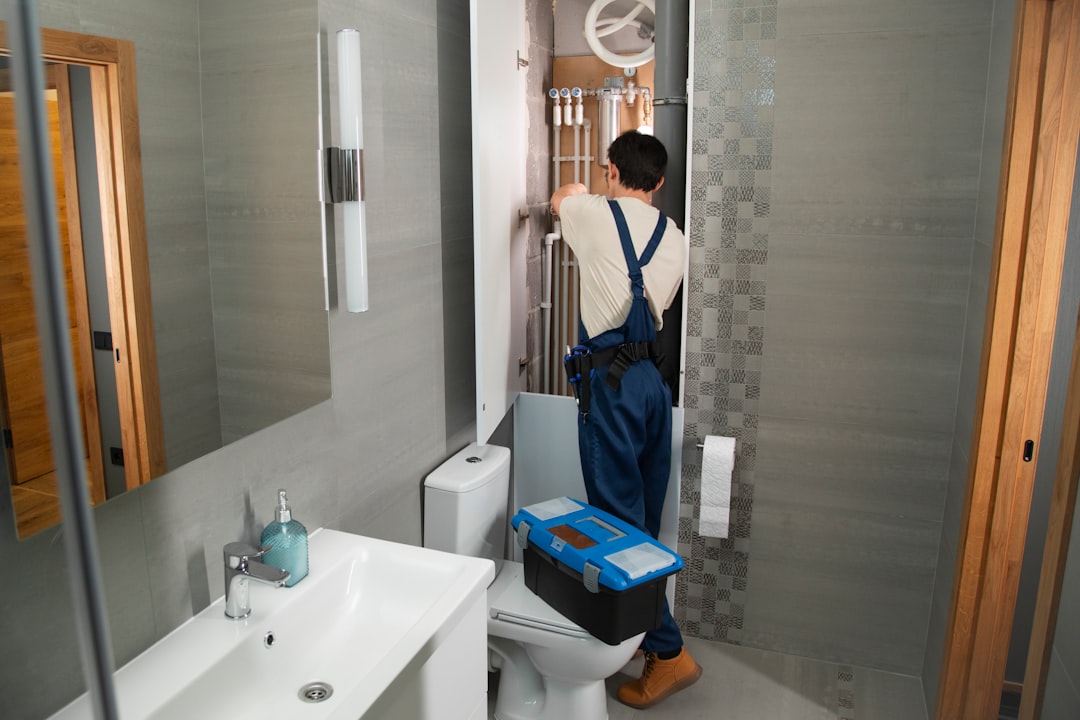
We understand that plumbing problems rarely announce themselves with a polite knock. They tend to crash the party, often at the most inconvenient hours, leaving us facing a watery crisis. In Denver, where our lives are as vibrant and dynamic as our cityscape, unexpected plumbing emergencies can disrupt our routines and cause significant stress. Fortunately, when these issues arise, rapid and effective emergency plumbing repair services are available to us.
When a pipe bursts, a drain overflows, or a water heater fails, it’s not just an inconvenience; it’s an emergency. The potential for water damage to our homes, our possessions, and even our structural integrity necessitates swift action. Unlike a dripping faucet that can wait for a scheduled appointment, a genuine plumbing emergency demands immediate attention. The longer we delay, the more severe the consequences can become. Think of it like a small leak in a dam; left unaddressed, it can lead to catastrophic flooding.
What Constitutes a Plumbing Emergency?
We often grapple with distinguishing between a minor nuisance and a full-blown emergency. Common indicators of a plumbing emergency include:
Persistent and Uncontrolled Water Leaks:
This is perhaps the most obvious sign. If water is actively spraying or gushing from a pipe, fixture, or appliance, it’s a critical situation. These leaks can saturate drywall, damage flooring, and create breeding grounds for mold and mildew.
Complete Lack of Water Supply:
While less common, a sudden and complete loss of water to our entire home can indicate a major underground pipe break or a municipal supply issue. This can cripple our ability to perform basic hygiene and sanitation tasks.
Sewage Backups:
A sewage backup is not only unpleasant but also a serious health hazard. The presence of sewage in our drains or toilets requires immediate professional intervention to clear the blockage and sanitize the affected areas.
Burst Pipes:
Especially during Denver’s colder months, freezing temperatures can cause pipes to expand and burst, leading to substantial water intrusion. These situations can occur behind walls, making them less visible but no less damaging.
Malfunctioning Water Heaters:
While a lukewarm shower might be an annoyance, a complete failure of the water heater, especially in winter, can render our homes uncomfortable and impact our ability to carry out daily tasks. A leaking water heater is also a significant concern.
Overflowing Toilets or Drains:
If plunging or basic troubleshooting doesn’t resolve a rapidly rising water level in a toilet bowl or sink, it signifies a deeper obstruction that needs professional expertise.
The Financial Implications of Delayed Repairs
Ignoring a plumbing issue, even if it seems minor initially, is akin to letting a small wound fester. It can escalate into a far more costly problem. Water damage remediation, mold removal, and extensive structural repairs are significantly more expensive than addressing the initial leak or blockage promptly. Furthermore, increased water bills due to undetected leaks can add to the financial burden over time.
The Emotional Toll of Plumbing Disasters
Beyond the financial and physical damage, plumbing emergencies can evoke significant stress and anxiety. The feeling of being overwhelmed, the disruption to our daily lives, and the uncertainty of the repair process can be emotionally draining. Having a trusted emergency plumbing service readily available can alleviate a significant portion of this burden.
Our Immediate Response to Unexpected Plumbing Issues
When faced with a plumbing crisis, our first instincts often revolve around damage control. Knowing the correct steps to take can mitigate the harm and set the stage for efficient repairs.
Shutting Off the Water Supply: A Crucial First Step
The most critical action we can take in many plumbing emergencies is to locate and shut off the main water supply valve to our home. This valve is typically found where the water line enters the house, often in a basement, crawl space, or utility closet. Knowing its location before an emergency strikes is a proactive measure that can save us valuable time when seconds count.
Locating the Main Water Shut-Off Valve:
We should familiarize ourselves with the typical locations for this valve. It is often a lever handle or a round knob. If we are unsure, consulting our home’s blueprints or asking a trusted plumber during a routine service call is advisable.
Different Types of Shut-Off Valves:
While most homes have a simple lever or ball valve, some older homes might have a gate valve. Understanding the mechanism of our specific valve ensures we can operate it efficiently without causing further damage.
Identifying the Source of the Problem (Safely)
While we should never attempt repairs beyond our comfort level or expertise, a brief, safe inspection can provide valuable information to the incoming emergency plumber.
Observing the Location of the Leak:
Is it coming from a visible pipe, under a sink, around an appliance, or from the ceiling? This information helps the plumber narrow down the potential causes.
Assessing the Volume of Water:
Is it a steady drip, a persistent stream, or a gushing torrent? This gives an indication of the severity of the issue.
Notifying Relevant Parties:
If the problem is significant, we may need to inform neighbors if the issue is affecting shared plumbing or if there’s a substantial water escape.
Documenting the Damage
Before any extensive cleanup or repair work begins, it’s prudent to document the extent of the damage.
Taking Photos and Videos:
These visual records are invaluable for insurance claims and for tracking the progress of repairs. We should capture images of the leak, the affected areas, and any damaged belongings.
Creating a Written Inventory of Damaged Items:
Listing the items that have been affected by water damage can also be beneficial for insurance purposes.
The Role of Denver Emergency Plumbing Services
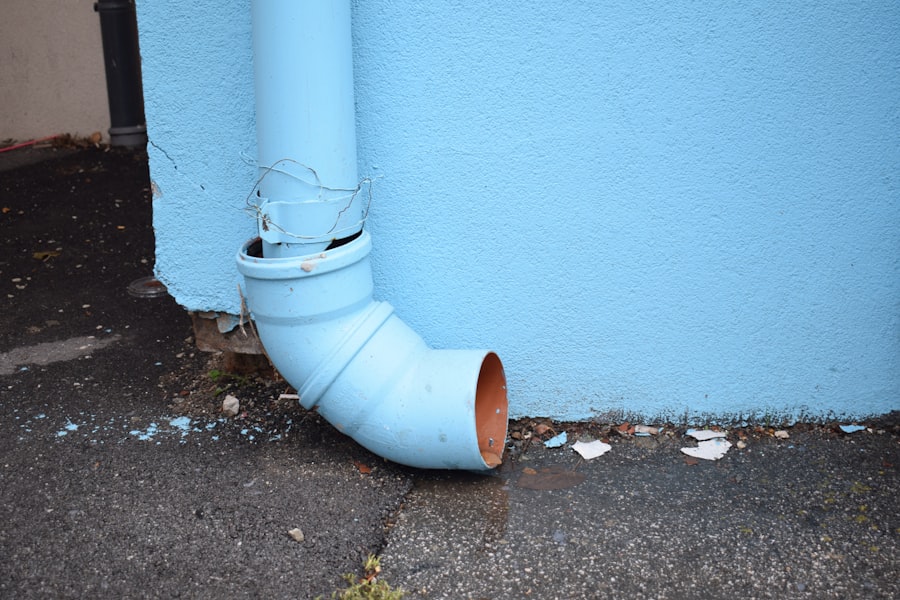
In Denver, a network of dedicated emergency plumbing services stands ready to address these unforeseen challenges. These professionals are equipped with the tools, knowledge, and experience to tackle a wide range of plumbing emergencies efficiently and effectively. Their primary objective is to restore functionality, minimize further damage, and provide us with peace of mind.
The 24/7 Availability of Emergency Plumbers
A hallmark of emergency plumbing services is their round-the-clock availability. Plumbing issues do not adhere to a 9-to-5 schedule. They can arise at 3 AM on a Sunday or during a holiday weekend. Emergency plumbers understand this urgency and maintain operations to provide assistance whenever needed. This constant readiness is a crucial component of their service.
Why 24/7 Service is Essential:
When a pipe bursts, waiting until the next business day is often not an option. The continuous flow of water can cause extensive and costly damage in a matter of hours.
The Benefits of Immediate Response:
A prompt response minimizes water accumulation, reduces property damage, and prevents potential health hazards that can arise from prolonged water exposure and standing water.
Specialized Tools and Techniques
Emergency plumbers come prepared with a comprehensive array of tools and cutting-edge technology. This allows them to diagnose and resolve complex issues quickly.
Diagnostic Equipment:
From drain cameras that can snake through pipes to identify blockages to moisture meters that detect hidden water intrusion, these tools enable precise problem identification.
Advanced Repair Methods:
Emergency plumbers often employ trenchless repair technologies for certain pipe issues, minimizing disruption to our landscaping and property. They also have access to specialized equipment for pipe freezing, pipe bursting, and leak detection.
The Expertise of Certified Professionals
The individuals performing emergency plumbing repairs are not just handymen; they are trained and certified professionals. They possess a deep understanding of plumbing systems, building codes, and safety regulations. This expertise ensures that repairs are not only effective but also compliant and long-lasting.
Licensing and Insurance:
We should always verify that the emergency plumbing service we choose is licensed and insured. This provides a layer of protection for both parties. A legitimate service will be able to provide proof of these credentials.
Continuous Training and Development:
The plumbing industry is constantly evolving. Reputable emergency services invest in ongoing training for their technicians to stay abreast of new technologies and best practices.
Common Emergency Plumbing Scenarios in Denver
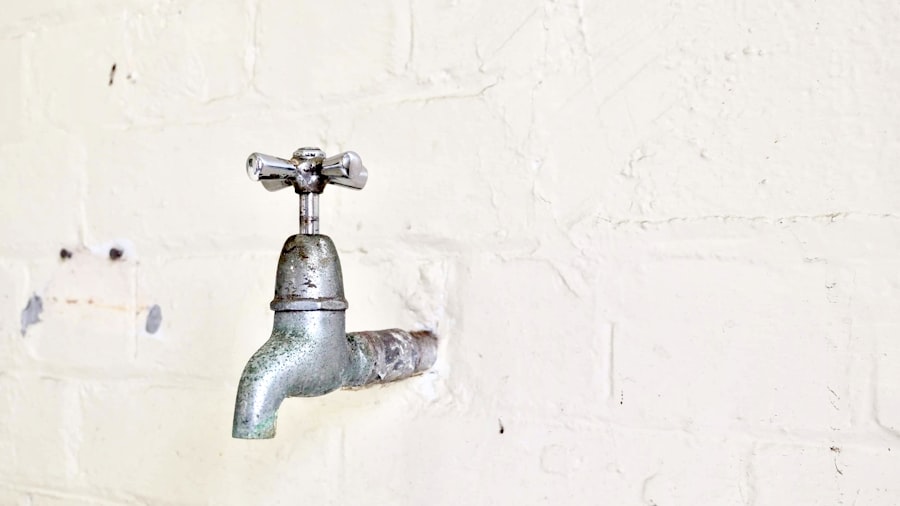
Denver’s unique climate and aging infrastructure can contribute to specific types of plumbing emergencies we might encounter.
Freezing Pipes in Winter Months
As mentioned earlier, Denver’s harsh winters are a significant contributor to frozen pipes. When temperatures plummet, exposed or poorly insulated pipes in unheated areas of our homes are susceptible to freezing. This phenomenon can lead to reduced water flow or a complete stoppage, and the inevitable burst pipe.
Preventing Frozen Pipes:
During cold snaps, we can take preventive measures such as insulating exposed pipes, letting faucets drip slightly, and keeping our home’s interior temperature above freezing.
Recognizing and Addressing Frozen Pipes:
The first sign is usually a lack of water flow. If we suspect a frozen pipe, we should refrain from using direct heat sources like blowtorches. Gentle warming with a hairdryer or a warm cloth is a safer approach. However, if a pipe has burst, immediate action to shut off the water and call an emergency plumber is paramount.
Aging Infrastructure and Main Line Problems
Like many older cities, Denver has sections with aging water and sewer lines. These older pipes are more prone to deterioration, corrosion, and eventual failure, leading to significant backups and leaks in our homes’ main lines.
Symptoms of Main Line Issues:
Common signs include slow drains in multiple fixtures, gurgling sounds from drains, unpleasant odors, and water pooling in our yards.
The Need for Professional Assessment:
Main line problems often require specialized equipment for inspection and repair. Emergency plumbers can utilize sewer cameras to pinpoint the exact location and nature of the blockage or break.
Water Heater Failures and Leaks
Water heaters, whether tank-style or tankless, are critical components of our home’s comfort. Their unexpected failure, especially during colder periods, can be a significant inconvenience. Leaks from water heaters can also cause substantial water damage.
Signs of a Failing Water Heater:
These include unusual noises, discolored water, insufficient hot water, or no hot water at all. Visible leaks around the base of the unit are a clear indicator of a problem.
Emergency Water Heater Replacement or Repair:
When a water heater fails unexpectedly, an emergency plumber can assess the situation and provide options for repair or immediate replacement to restore our hot water supply.
Choosing the Right Denver Emergency Plumbing Service
| Metric | Value | Details |
|---|---|---|
| Average Response Time | 30 minutes | Time taken for a plumber to arrive after a service call |
| Common Emergency Types | Burst Pipes, Clogged Drains, Water Heater Failures | Most frequent plumbing emergencies reported in Denver |
| Service Availability | 24/7 | Emergency plumbing services available round the clock |
| Average Repair Duration | 1-3 hours | Typical time to complete emergency plumbing repairs |
| Customer Satisfaction Rate | 92% | Percentage of customers satisfied with emergency plumbing repairs |
| Average Cost Range | 150 – 500 | Typical cost range for emergency plumbing repairs (excluding currency) |
| Number of Licensed Plumbers | 50+ | Licensed emergency plumbers operating in Denver |
When faced with a plumbing emergency, the contractor we choose can significantly impact the speed and quality of the resolution. Selecting a reputable and reliable emergency plumbing service is paramount.
Research and Preparation: Before the Crisis Strikes
Ideally, we should identify and vet potential emergency plumbing services before we actually need them. This proactive approach saves valuable time and mental energy when we are under duress.
Reading Online Reviews and Testimonials:
We can gather insights into a company’s reliability, customer service, and quality of work by reviewing their online presence and customer feedback.
Checking for Credentials and Affiliations:
Look for plumbers who are licensed, insured, and members of reputable professional organizations. This indicates a commitment to professionalism and industry standards.
Asking for Referrals:
Friends, family, or neighbors who have recently used emergency plumbing services in Denver can offer valuable recommendations.
Key Attributes of a Reliable Emergency Plumber
When contacting an emergency plumber, certain qualities should be evident.
Prompt Communication and Clear Pricing:
A reputable service will answer our calls promptly and be transparent about their pricing structure, including any emergency surcharges. They should be able to provide an estimate before commencing work.
Efficient Diagnosis and Repair Process:
We expect the plumber to be able to quickly diagnose the issue and implement a solution in a timely manner. Their diagnostic process should be methodical and their repairs thorough.
Professional Demeanor and Cleanliness:
The plumber should arrive in a professional uniform, be courteous, and maintain a clean workspace throughout the repair process. They should also clean up any mess left behind.
Understanding Emergency Service Fees
It’s important to be aware that emergency plumbing services often come with higher fees than standard repair calls. This reflects the plumber’s availability outside of regular business hours and the immediate nature of the service.
Clarifying Fees Upfront:
We should always ask about the after-hours or emergency call-out fee and hourly rates before agreeing to service. This prevents any surprises on the final bill.
Comparing Estimates (When Possible):
In a true emergency, comparing multiple estimates might be challenging, but if time allows, a quick call to a couple of services can provide a general understanding of pricing.
Our Role in Preventing Future Plumbing Emergencies
While we cannot anticipate every plumbing issue, there are proactive steps we can take to minimize the likelihood of future emergencies. Regular maintenance and mindful usage of our plumbing systems are key to a well-functioning home.
Regular Plumbing Inspections and Maintenance
Just as our vehicles require regular tune-ups, our plumbing systems benefit from periodic professional inspections. These check-ups can identify potential problems before they escalate into emergencies.
Scheduling Annual Plumbing Check-ups:
A qualified plumber can inspect our pipes, fixtures, water heater, and drainage systems for early signs of wear and tear, corrosion, or potential leaks.
Addressing Minor Issues Promptly:
If a plumber identifies a small leak or a slow drain during a routine inspection, addressing it immediately can prevent a much larger and more costly problem down the line.
Mindful Usage of Plumbing Fixtures and Appliances
Our daily habits can significantly impact the longevity and performance of our plumbing systems.
Avoiding Harsh Chemicals Down Drains:
Chemical drain cleaners can be corrosive and damage pipes over time. Instead, we should opt for natural cleaning methods or call a plumber for persistent clogs.
Being Cautious About What Goes Down the Garbage Disposal:
Grease, fibrous materials, and hard objects can clog garbage disposals and lead to significant plumbing issues.
Properly Maintaining Appliances:
Regularly cleaning the lint trap in our washing machine and checking for leaks in dishwashers and refrigerators can prevent appliance-related plumbing emergencies.
Educating Ourselves About Our Home’s Plumbing System
The more we understand our own plumbing, the better equipped we are to identify potential issues and take appropriate action.
Knowing the Location of Shut-Off Valves:
As reiterated, knowing where the main water shut-off valve is, as well as individual fixture shut-off valves, is crucial for emergency preparedness.
Understanding Basic Plumbing Functions:
Familiarity with how our toilet flushes, how our faucets work, and how our water heater operates can empower us to make informed decisions during minor issues.
In conclusion, plumbing emergencies in Denver, while disruptive, are manageable. By understanding the signs of an emergency, knowing how to respond, and having a reliable emergency plumbing service at our fingertips, we can navigate these unexpected challenges with greater confidence. Proactive maintenance and mindful usage of our plumbing systems are our best defenses against future disruptions, ensuring our homes remain safe, comfortable, and free from watery woes.