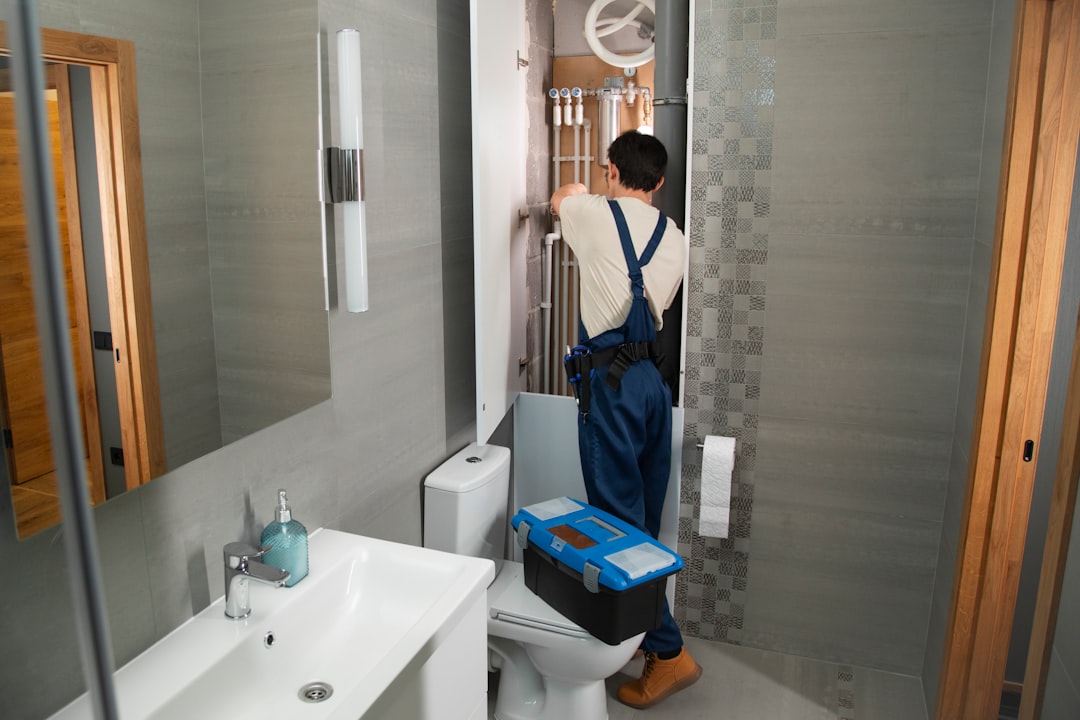
We, as residents of Denver, Colorado, understand that plumbing emergencies operate on their own unpredictable schedule, often entirely disregarding our conventional working hours. A burst pipe at 2 AM, a clogged toilet on Thanksgiving, or a persistent leak over a three-day weekend – these scenarios are not merely inconvenient; they are disruptive, stressful, and, if left unaddressed, potentially damaging to our homes. When the traditional plumbing services are closed, our thoughts invariably turn to the critical role of an emergency after-hours plumber. This article aims to provide a comprehensive overview of emergency after-hours plumbing services in Denver, outlining their necessity, the types of services they offer, the processes involved, and the considerations we should bear in mind when engaging them. Our goal is to equip you with the knowledge to navigate these unforeseen circumstances effectively, ensuring the swift and efficient resolution of your plumbing woes.
Throughout our collective experience as homeowners, we’ve come to recognize that plumbing systems, like any complex machinery, are susceptible to failure. This vulnerability does not diminish simply because it’s past 5 PM or a national holiday. Indeed, it often seems that plumbing issues possess a mischievous clock of their own, striking when we are least prepared and when professional help is seemingly out of reach.
Why Plumbing Emergencies Don’t Keep Office Hours
Our plumbing infrastructure is a network of pipes, fixtures, and appliances, constantly under pressure and subject to wear and tear. A small leak can escalate into a torrent, a minor clog can become a full-blown sewage backup, and a malfunctioning water heater can leave us in the cold. These events are not always preventable, despite our best efforts at maintenance. The reasons for their after-hours incidence are varied:
- Cumulative Stress: Many plumbing problems are the culmination of prolonged stress on the system. A pipe that has been slowly corroding might finally give way under the additional pressure of nighttime usage, for instance, when water pressure tends to be higher.
- Temperature Fluctuations: Denver’s climate, with its sharp temperature drops, can play a significant role. Frozen pipes are a common winter menace, often bursting as temperatures rise slightly during the day or if the heating system falters overnight.
- Increased Usage: Family gatherings or holiday periods often increase demands on plumbing systems, pushing older or weakening components past their breaking point. Extra flushes, more showers, and increased dishwashing can expose vulnerabilities.
The Immediate Impact of Unaddressed Issues
Leaving a plumbing emergency unattended, even for a few hours until morning, can have severe repercussions. We’ve witnessed firsthand the damage that standing water can inflict:
- Structural Damage: Water can seep into walls, foundations, and subflooring, compromising structural integrity. This is not merely cosmetic; it can lead to costly repairs and even require temporary relocation.
- Property Loss: Furniture, carpets, electronics, and keepsakes can be irrevocably damaged by water. The emotional toll of losing sentimental items is often as significant as the financial cost of replacement.
- Health Hazards: Standing water creates an environment ripe for mold and mildew growth, which can trigger respiratory problems and allergies. Sewage backups, in particular, pose serious biohazard risks, necessitating expert cleanup and sanitization.
- Increased Repair Costs: What might start as a localized leak can, over time, spread and affect larger areas, increasing the scope and expense of repairs significantly. Procrastination is a costly companion in plumbing emergencies.
The Scope of Emergency After-Hours Plumbing Services
When we contact an emergency after-hours plumber in Denver, we are seeking not merely a technician, but a rapid response unit, capable of diagnosing and mitigating a wide array of critical issues. These professionals are equipped and trained to handle situations that cannot wait until the next business day.
Common Emergency Scenarios They Address
Our collective experience suggests that certain emergencies are more prevalent after hours. Emergency plumbers are adept at addressing these and many other unforeseen problems:
- Burst Pipes: Perhaps the most dramatic and damaging of all plumbing emergencies, a burst pipe can unleash gallons of water rapidly. Emergency plumbers are crucial in shutting off the main water supply and initiating repairs to prevent extensive flooding.
- Major Leaks: While not as catastrophic as a burst pipe, significant leaks, especially those from supply lines or appliance connections, can quickly lead to water damage if not contained.
- Clogged Drains and Toilets (especially those causing backup): A single clogged toilet might be manageable, but a main sewer line blockage causing multiple fixtures to back up into the home is a health hazard and requires immediate professional intervention.
- Water Heater Malfunctions: A completely non-functional water heater, particularly in the colder months, is not just an inconvenience; it impacts hygiene and comfort. Emergency plumbers can often diagnose and perform temporary or permanent fixes.
- Sump Pump Failures: For homes with basements, a failing sump pump during heavy rain or snowmelt can lead to rapid flooding. Emergency services are vital to replace or repair these critical devices.
- Gas Leaks (related to plumbing appliances): While gas company intervention is primary for gas leaks, a plumber might be called if the leak is associated with a gas water heater or dryer connection. They can safely disconnect and repair the faulty plumbing components.
Specialized Equipment and Expertise
Emergency plumbers are not just “on-call” versions of regular plumbers; they often possess specialized equipment and a depth of knowledge for rapid problem-solving under pressure.
- Advanced Diagnostic Tools: They often utilize tools like thermal cameras to detect hidden leaks behind walls, sophisticated drain cameras to inspect sewer lines for blockages or damage, and moisture detectors to identify saturated areas.
- Comprehensive Inventory: Their service vehicles are typically stocked with a wide range of common parts and tools, allowing them to perform immediate repairs without multiple trips to suppliers, which are often closed after hours.
- Problem-Solving Under Duress: The ability to quickly assess a chaotic situation, identify the root cause, and implement an effective solution is a hallmark of an expert emergency plumber. This goes beyond technical skill; it involves composure and strategic thinking.
The Process of Engaging an After-Hours Plumber
When we find ourselves in the throes of a plumbing emergency, the process of securing professional help needs to be as streamlined and efficient as possible. Knowing what to expect can alleviate some of the stress.
Initial Contact and Information Gathering
Our first step is always to contact an emergency plumbing service. Be prepared to provide critical information:
- Nature of the Emergency: Clearly describe the problem. Is it a leak, a clog, a lack of hot water? Be as specific as possible.
- Location of the Problem: Pinpoint where the issue is occurring (e.g., “burst pipe in the basement,” “toilet overflowing on the second floor”).
- Your Address and Contact Information: Ensure they have accurate details to reach your home promptly.
- Any Immediate Actions Taken: Inform them if you’ve turned off the main water supply or taken any other preventative measures.
Essential Steps Before the Plumber Arrives
While awaiting the plumber’s arrival, we can take some crucial steps to minimize damage and prepare for their work. These actions act as firebreaks against escalating damage:
- Locate and Shut Off Your Main Water Valve: This is often the most critical step. Knowing where it is and how to operate it can prevent catastrophic flooding.
- Turn Off Relevant Appliance Valves: If the emergency is isolated to a specific fixture (e.g., a toilet, washing machine), shut off its dedicated water supply valve.
- Clear the Area Around the Problem: Remove furniture, rugs, and other belongings from the affected area to prevent them from being damaged and to provide clear access for the plumber.
- Contain the Water (if possible): Use buckets, towels, or tarps to collect or divert water. For overflowing toilets, turning off the water to the toilet itself is imperative.
- Document the Damage: Take photos or videos of the problem and the resulting damage. This documentation can be invaluable for insurance claims later.
On-Site Assessment and Repair
Upon arrival, the emergency plumber will embark on a methodical process:
- Rapid Assessment: They will quickly evaluate the situation, confirming the source of the problem and the extent of any damage.
- Diagnosis and Solution Proposal: Based on their assessment, they will explain the issue, the necessary repairs, and provide an estimate of the cost. Transparency in this stage is paramount, especially given the urgent nature of the work.
- Execution of Repairs: Utilizing their specialized tools and expertise, they will perform the necessary repairs, from patching pipes to clearing stubborn blockages.
- Testing and Verification: Once repairs are complete, they will test the system to ensure the problem is fully resolved and that no new issues have arisen.
- Clean-up and Advice: While extensive restoration is usually outside their scope, they will often perform a basic clean-up of the immediate work area and provide advice on preventing future emergencies.
Understanding the Costs of Emergency After-Hours Services
One of the primary concerns we share as homeowners facing an after-hours emergency is the cost. It’s an undeniable truth that these services come with a premium, a fact that is both understandable and occasionally daunting.
Factors Influencing Pricing
The pricing model for emergency after-hours plumbing services is a confluence of several factors:
- Time of Day/Week: The most significant factor is the time. Services rendered outside of standard business hours (evenings, nights, weekends, and holidays) incur higher rates due to increased labor costs and the inconvenience factor for the plumber.
- Urgency and Rapid Response: The swiftness required for emergency calls means plumbers often drop other scheduled jobs or are on standby, which justifies a higher fee.
- Severity and Complexity of the Problem: A minor patch-up will naturally cost less than a complex repair involving extensive pipe replacement or drain cleaning with specialized equipment.
- Parts and Materials: The cost of any new parts or materials needed for the repair will be added to the labor charges. These might be sourced at a higher price if local suppliers are closed.
- Travel Distance: While Denver’s metro area is well-serviced, a plumber traveling a significant distance, especially late at night, might factor in travel time to their pricing.
Typical Cost Components
When we receive an invoice, we can expect it to comprise several key components:
- Service Call Fee (or Trip Charge): This is a non-refundable fee charged simply for the plumber to come to our home, regardless of whether a repair is performed. It covers their travel and initial assessment time. This fee is often higher for after-hours calls.
- Hourly Rates: After-hours hourly rates are typically significantly higher than standard daytime rates. We often see rates that are 1.5 to 2 times the normal rate.
- Materials and Parts: The cost of any pipes, fixtures, sealants, or other components used in the repair.
- Diagnostic Fees (sometimes separate): If the diagnosis requires specialized equipment (e.g., camera inspection of a sewer line), there might be an additional fee for its use.
Minimizing Financial Impact
While emergency costs are often unavoidable, we can take steps to manage them:
- Preventive Maintenance: The best defense is a good offense. Regular plumbing inspections and timely repairs of minor issues can prevent them from escalating into costly emergencies.
- Emergency Fund: Maintaining a dedicated emergency fund, akin to an umbrella for a sudden downpour, can buffer the financial shock of unexpected repairs.
- Homeowner’s Insurance: Understanding our homeowner’s insurance policy is crucial. Many policies cover water damage from sudden and accidental plumbing issues, though deductibles apply. We should be familiar with what our policy covers and what it excludes (e.g., damage from neglect).
- Get a Detailed Estimate: Always request a clear, itemized estimate before work begins. While the urgency might limit extensive shopping around, reputable plumbers will provide this.
Choosing the Right After-Hours Plumber in Denver
| Metric | Value | Details |
|---|---|---|
| Average Response Time | 30 minutes | Time taken to arrive after a call during after hours |
| Service Availability | 24/7 | Plumbers available any time including nights and weekends |
| Customer Satisfaction | 4.7 / 5 | Average rating from customer reviews |
| Common Services | Emergency leak repair, clogged drains, water heater repair | Most requested after hours plumbing services |
| Service Area | Denver Metro Area | Coverage including Denver and surrounding suburbs |
| Average Job Duration | 1.5 hours | Typical time to complete after hours plumbing repairs |
| Number of Licensed Plumbers | 15 | Plumbers available for after hours service in Denver |
When our homes are in distress, our judgment can be clouded by urgency. However, selecting the right emergency after-hours plumber is critical to ensure both effective resolution and fair treatment. We must approach this decision with a discerning eye.
Key Qualities to Look For
Our search for an emergency plumber should prioritize certain attributes that signify reliability and professionalism:
- Round-the-Clock Availability (24/7): This is non-negotiable for emergency services. They must genuinely offer services outside standard business hours, including weekends and holidays.
- Rapid Response Time: In emergencies, every minute counts. A reputable after-hours service will indicate a clear commitment to prompt arrival, often within an hour or two for critical issues.
- Licensed and Insured: We must always verify that the plumbers are properly licensed by the state and that their company is fully insured. This protects us from liability in case of accidents or further damage during the repair process.
- Experienced and Certified Technicians: Emergency situations demand expertise. We look for companies that employ experienced plumbers with a proven track record, capable of diagnosing complex issues under pressure. Certifications, while not always mandatory, can indicate a higher level of training.
- Transparent Pricing and Estimates: While after-hours rates are higher, we expect clear communication regarding costs. Reputable companies provide upfront estimates before commencing work and explain all charges thoroughly. Avoid services that are vague about pricing or demand payment before any assessment.
- Positive Reputation and Reviews: In today’s interconnected world, online reviews (Google, Yelp, etc.) offer valuable insights into a company’s reliability and customer service. We look for consistent positive feedback regarding professionalism, efficiency, and fairness.
- Well-Equipped Vehicles: A plumber arriving in a well-stocked vehicle means they are prepared to tackle a range of emergencies without needing to leave for parts, saving crucial time. This is a tell-tale sign of a professional operation.
- Excellent Communication Skills: Beyond technical prowess, the plumber should be able to clearly explain the problem, the proposed solution, and answer our questions in an understandable manner, especially when we are under stress.
Questions to Ask Before Hiring
When we make that urgent call, we should be prepared to ask a few pertinent questions to solidify our choice:
- “Are you available for immediate dispatch at this hour?”
- “What is your service call fee or trip charge for an after-hours emergency?”
- “What are your hourly rates for emergency services?”
- “Do you provide a written estimate before starting work?”
- “Are your plumbers licensed and insured?”
- “What is your estimated arrival time?”
- “What types of payment do you accept?”
By asking these questions, we can gain clarity on the service and its costs, even amidst the urgency.
In conclusion, the presence of reliable emergency after-hours plumbing services in Denver is not a luxury; it is a fundamental necessity for maintaining the integrity and habitability of our homes. While plumbing emergencies are inherently stressful and often costly, being prepared with knowledge, knowing how to act swiftly, and understanding how to judiciously choose a professional can transform a potential disaster into a manageable repair. We, as homeowners, must empower ourselves with this understanding, ensuring that when the metaphorical plumbing floodgates open after hours, we have the resources and resolve to navigate the deluge effectively.