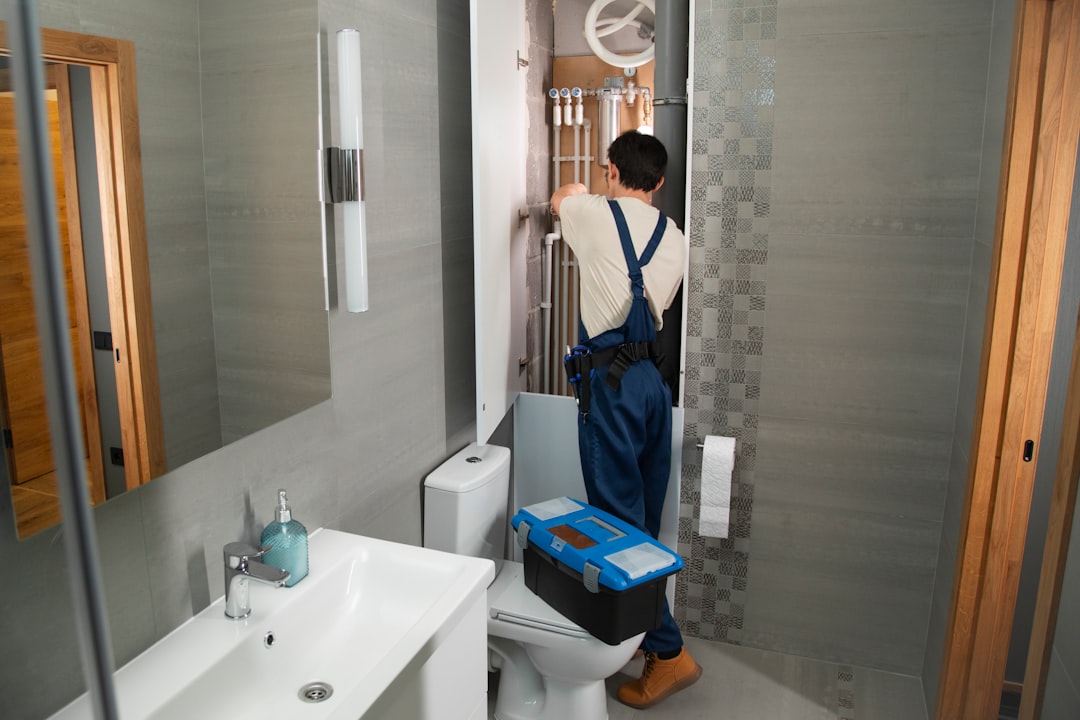
We understand the urgency of plumbing emergencies. When a pipe bursts, a drain clogs, or a water heater fails, the disruption to our daily lives is immediate and often severe. In Denver, Colorado, these incidents require a rapid and effective response. This article explores the landscape of emergency plumbing services in Denver, highlighting the critical aspects of rapid diagnostics, effective repairs, and preventative measures. We aim to provide a comprehensive guide for residents facing unexpected plumbing dilemmas, offering insights into what to expect from professional emergency plumbers and how to mitigate future risks.
When we discuss plumbing emergencies, we are not simply referring to minor inconveniences. These are situations that demand immediate professional attention to prevent significant property damage, health hazards, or severe disruptions to essential services. In a city like Denver, with its diverse housing stock ranging from historic Victorian homes to modern condominiums, the types of plumbing emergencies we encounter can be varied and complex.
Common Types of Plumbing Crises We Face
Our experiences in Denver have shown us a consistent pattern of plumbing issues that escalate to emergency status. These range from the most obvious signs of trouble to insidious problems that might go unnoticed until they’ve caused substantial damage.
- Burst Pipes: This is perhaps the most dramatic and damaging plumbing emergency. In Denver, particularly during the colder months, sub-zero temperatures can cause water in pipes to freeze and expand, leading to ruptures. The resulting torrent of water can quickly flood basements, walls, and ceilings, acting like an unleashed river within our homes.
- Severe Clogged Drains: While a slow drain can be an annoyance, a completely blocked main sewer line or a toilet that overflows with every flush quickly transforms into an emergency. These blockages prevent the proper disposal of wastewater, creating unsanitary conditions and a potential health hazard. We often see these as a bottleneck in the urban arteries of our homes.
- Water Heater Failures: A sudden loss of hot water, especially in winter, can disrupt daily routines significantly. More critically, some water heater failures, such as leaks or gas line issues, can pose safety risks including carbon monoxide poisoning or fire. It’s not just an inconvenience; it’s a potential danger.
- Sewer Line Backups: This is arguably one of the most unpleasant and destructive plumbing emergencies we address. When a sewer line is blocked or damaged, wastewater can back up into toilets, sinks, and tubs, bringing with it raw sewage and all its accompanying health risks and foul odors. It’s like finding a geyser of refuse erupting in our living spaces.
- Gas Leaks: Although not strictly a “plumbing” issue in the traditional sense, gas lines are often handled by licensed plumbers, and a gas leak constitutes an extremely dangerous emergency. The smell of rotten eggs, if detected, necessitates immediate evacuation and contacting emergency services, followed by a qualified technician. This is a silent predator that can have catastrophic consequences.
Factors Contributing to Emergency Plumbing Calls in Denver
Several factors unique to Denver and its climate contribute to the prevalence and type of emergency plumbing issues we encounter. Understanding these helps us prepare and allows residents to take proactive measures.
- Aging Infrastructure: Many areas of Denver boast historic homes, some dating back over a century. While charming, these properties often have older plumbing systems – galvanized steel, cast iron, or even clay pipes – that are more prone to corrosion, deterioration, and blockages than modern materials. These systems are like ancient roads, more susceptible to cracks and potholes.
- Winter Weather Extremes: Denver’s climate is characterized by significant temperature fluctuations, including periods of intense cold. As we mentioned, freezing temperatures are a primary cause of burst pipes, especially in poorly insulated basements, crawl spaces, or exterior walls. The cold acts as a sculptor, gradually exerting pressure until the weakest point gives way.
- Tree Root Intrusion: Denver’s mature urban tree canopy, while beautiful, can be a major culprit in sewer line damage. Tree roots, constantly seeking water and nutrients, are powerful enough to infiltrate even small cracks in sewer pipes, growing within them and eventually causing severe blockages or structural damage. They are like unwelcome guests, slowly consuming the resources of our vital lines.
- Soil Shifting: The expansive clay soils found in many parts of Colorado, including Denver, can shift and settle over time, putting stress on underground pipes. This movement can lead to cracks, disconnections, and misalignments in water and sewer lines. The ground beneath our homes is constantly moving, a subtle dance that can dislodge even sturdy foundations.
By understanding these common emergencies and their underlying causes, we empower ourselves to better prepare for and respond to plumbing crises, emphasizing the need for prompt professional intervention.
The Role of Emergency Plumbers in Denver
When facing a plumbing emergency, the swift arrival and competent action of an emergency plumber are paramount. We rely on their expertise to not only stop the immediate crisis but also to diagnose the root cause and ensure a lasting solution. An emergency plumber acts as a first responder, a skilled surgeon operating on the circulatory system of our homes.
Our Expectations for Rapid Response
In an emergency, time is often a critical factor. Every minute that passes with a burst pipe or a raw sewage backup can mean increased damage and greater repair costs. Therefore, our primary expectation of an emergency plumbing service is a rapid response.
- 24/7 Availability: Plumbing emergencies do not adhere to business hours. A reliable emergency plumber in Denver operates 24 hours a day, 7 days a week, including holidays. This round-the-clock availability ensures that help is always just a phone call away, regardless of when disaster strikes. We expect the phone to be answered, not forwarded to an answering machine that promises a return call within 24 hours.
- Quick Dispatch: Once we make contact, we expect a short dispatch time. This means the plumber should be en route to our location as quickly as traffic and distance allow. We understand that Denver traffic can be challenging, but we also expect efficient routing and dispatching to minimize delays. The clock starts ticking the moment we identify the problem.
- Equipped Vehicles: Emergency plumbers should arrive with fully stocked vehicles, essentially a mobile workshop. This includes a comprehensive range of tools, diagnostic equipment (like sewer cameras), and common replacement parts. We do not want a plumber to arrive, assess the situation, and then need to leave for an hour to retrieve a part. This ensures they can begin diagnostics and, often, initial repairs immediately. Their vehicle is their arsenal, ready for battle.
Diagnostic Tools and Techniques Used by Professionals
Effective problem-solving in plumbing begins with accurate diagnosis. We rely on emergency plumbers to utilize a range of tools and techniques to pinpoint the exact nature and location of the issue. A proper diagnosis is like finding the core of an onion; removing outer layers to reveal the center.
- Video Camera Inspection: For issues within drains and sewer lines, internal video camera inspection is invaluable. A small, flexible camera inserted into the pipes provides a real-time visual of the interior. This allows us to identify blockages, cracks, root intrusion, and collapsed sections without disruptive excavation. It’s like having X-ray vision for our pipes.
- Leak Detection Equipment: Pinpointing concealed leaks, especially those behind walls or under slabs, requires specialized equipment. Acoustic leak detectors, thermal imaging cameras, and even tracer gas systems can help identify the precise location of a leak, minimizing the need for extensive demolition. We want a sniper’s precision, not a shotgun’s blast.
- Pressure Gauges: For issues related to water pressure – whether too low or too high – pressure gauges are essential. They help plumbers assess the system’s overall health and identify potential problems with regulators, supply lines, or
Even hidden leaks. It indicates the pulse and vigor of our water system.
- Moisture Meters: When water damage is suspected but not immediately visible, moisture meters can detect elevated moisture levels in walls, floors, and ceilings. This helps to identify hidden leaks and assess the extent of water intrusion. They are like a bloodhound, sniffing out unseen moisture.
- Flow Meters: These devices measure the rate at which water is flowing through pipes. Anomalies in flow rates can indicate blockages, leaks, or issues with fixtures. It’s like taking the pulse of the water’s journey.
By employing these advanced diagnostic techniques, emergency plumbers can move beyond guesswork, providing accurate assessments that lead to more efficient and effective repairs. This is crucial for both immediate crisis management and long-term problem prevention.
The Repair and Resolution Process
Once an emergency plumber arrives and completes their diagnosis, the focus shifts to repair and resolution. We expect not only a rapid fix but also a durable solution that addresses the root cause of the problem. This process involves a series of steps, from initial assessment to final testing and preventative advice.
Immediate Action and Temporary Solutions
In many emergency scenarios, the first priority is to contain the damage and restore a semblance of normalcy. This often involves implementing immediate, albeit temporary, solutions.
- Shutting Off Water Supply: For burst pipes or severe leaks, the very first step is always to locate and shut off the main water supply valve. This stops the flow of water and prevents further flooding. It’s like applying a tourniquet to a bleeding wound.
- Drain Clearing: For severe clogs, plumbers may initially attempt hydro-jetting, which uses high-pressure water to blast away blockages, or mechanical snaking, which uses a flexible auger to break through or retrieve obstructions. These are often quick and effective for immediate relief.
- Temporary Pipe Repairs: If a permanent repair isn’t immediately possible due to the extent of damage or lack of specific parts, a plumber might apply temporary patches, clamps, or sealants to stop the leak. This buys time until a full repair can be scheduled or more specialized components acquired. It’s a bandage, but a crucial one.
- Water Extraction Services: In cases of significant flooding, a plumber might assist with or recommend professional water extraction services to remove standing water and begin the drying process, mitigating further damage to structures and belongings.
Permanent Repairs and System Optimization
After the immediate crisis is averted, the focus shifts to implementing permanent repairs and, where appropriate, optimizing the plumbing system to prevent future occurrences.
- Pipe Replacement/Repair: Depending on the damage, a section of pipe might need to be replaced, or a specialized coupling or soldering might be required. Modern piping materials like PEX or copper are often used for their durability and longevity.
- Sewer Line Repair/Replacement: More extensive sewer line issues, such as collapsed sections or severe root intrusion, may require trenchless repair methods (like pipe relining or pipe bursting) or traditional excavation. These are complex operations, akin to major surgery for our underground networks.
- Water Heater Replacement/Repair: For water heater failures, the plumber will either repair the faulty component (e.g., thermostat, heating element) or, if the unit is old or extensively damaged, recommend and install a new energy-efficient model.
- Fixture Replacement: Leaky faucets, running toilets, or malfunctioning shower heads often require replacing seals, cartridges, or the entire fixture itself.
- Pressure Regulator Installation/Adjustment: If high water pressure is identified as a contributing factor, a plumber may install or adjust a pressure-reducing valve (PRV) to protect the plumbing system from undue strain.
- Winterization Recommendations: For pipes prone to freezing, the plumber might recommend insulation, heat tape, or rerouting of vulnerable lines to prevent future freeze-burst incidents.
The goal is always to move beyond the Band-Aid solution to a lasting fix, ensuring the plumbing system operates efficiently and reliably for years to come. This ensures we don’t face a recurring nightmare in the future.
Preventing Future Plumbing Emergencies
While emergency plumbers are invaluable when disaster strikes, we believe an ounce of prevention is worth a pound of cure. Taking proactive steps can significantly reduce the likelihood of experiencing costly and disruptive plumbing emergencies. We aim to be proactive, not just reactive, in safeguarding our homes.
Regular Maintenance and Inspections
Consistent maintenance is the cornerstone of a healthy plumbing system. Just as we get our cars serviced, our home’s plumbing benefits from regular professional check-ups.
- Annual Plumbing Inspections: We recommend scheduling annual inspections with a qualified plumber. During these inspections, the plumber can identify minor issues before they escalate, check for leaks, assess water pressure, inspect water heaters, and clean out drain traps. This is like a yearly physical for our home’s circulatory system.
- Drain Cleaning and Maintenance: We should be mindful of what goes down our drains. Avoid pouring grease, coffee grounds, and harsh chemicals. Regular use of enzyme-based drain cleaners (not chemical ones) can help break down organic matter and prevent clogs. Consider professional drain snaking every few years for high-use drains.
- Water Heater Flushing: Sediment can build up in water heaters, reducing efficiency and potentially leading to premature failure. We should have our water heaters flushed annually to remove this sediment, extending the life of the unit and ensuring optimal performance.
- Sump Pump Testing: If we have a sump pump, we should test it regularly, especially before the rainy season, to ensure it’s working correctly and can handle potential flooding. This is our last line of defense against a watery siege.
Smart Home Solutions and Proactive Measures
Technology offers increasingly sophisticated ways to monitor our plumbing systems and alert us to problems early. Incorporating these smart solutions can provide an extra layer of protection.
- Smart Water Leak Detectors: These devices can be placed in vulnerable areas (under sinks, near water heaters, in basements) and send alerts to our smartphones if they detect water. Some advanced systems can even automatically shut off the main water supply. They are like vigilant sentinels, always on watch.
- Smart Water Shutoff Valves: These devices, often integrated with leak detectors, can automatically turn off our home’s water supply when a leak is detected, minimizing water damage even when we are away from home. This is the ultimate self-preservation mechanism for our plumbing.
- Pipe Insulation: For homes in Denver, insulating exposed pipes in unheated areas like basements, crawl spaces, and exterior walls is a crucial preventative measure against freezing and bursting pipes during winter. This is like wrapping our pipes in a warm blanket.
- Know Your Main Shutoff Valve: It is imperative that every household member knows the location of the main water shutoff valve and how to operate it. In a burst pipe scenario, every second counts, and knowing how to immediately cut off the water supply can save significant damage. This is our emergency off-switch.
- Proper Landscaping: When planting trees, we should consider their proximity to underground sewer lines. Opt for slower-growing, less invasive root systems near plumbing to prevent root intrusion. We must choose our leafy neighbors wisely.
By combining diligent maintenance with smart home technology and informed decision-making, we can significantly reduce our reliance on emergency plumbing services and enjoy the peace of mind that comes with a well-maintained and protected home.
Choosing the Right Emergency Plumber in Denver
| Metric | Value | Details |
|---|---|---|
| Average Response Time | 30 minutes | Typical arrival time after emergency call |
| Service Availability | 24/7 | Emergency plumbing services available all day |
| Customer Satisfaction Rate | 92% | Based on recent customer reviews |
| Common Emergency Types | Pipe leaks, clogged drains, water heater failure | Most frequent issues handled |
| Average Job Duration | 1.5 hours | Time to complete typical emergency repairs |
| Number of Licensed Plumbers | 15 | Plumbers available for emergency calls in Denver CO |
| Service Coverage Area | Denver Metro Area | Includes surrounding suburbs and neighborhoods |
When an emergency strikes, the choice of a plumbing service can make a significant difference in the outcome. We want to ensure we’re selecting a reliable, competent, and trustworthy professional to handle our urgent needs. This is not a decision to be made lightly, even under pressure.
Key Factors to Consider
Our experience has taught us that several critical factors distinguish a reputable emergency plumbing service from one that might fall short. These factors serve as our compass in a moment of crisis.
- Licensing and Insurance: We must verify that the plumber and their company are fully licensed and insured. Licensing ensures they meet professional standards, while insurance protects us from liability in case of accidents or damage during the repair process. This is our assurance of professional accountability.
- Experience and Expertise: We seek plumbers with a proven track record in handling a wide range of emergency plumbing situations, particularly those common in Denver. Experienced professionals are more likely to diagnose problems accurately and implement effective solutions efficiently. We trust a seasoned hand over a novice, especially when stakes are high.
- Transparent Pricing: Emergency plumbing services can be more expensive due to the urgency and after-hours work. We expect transparent pricing, including an upfront assessment of costs, before any work begins. A reputable company will provide a detailed estimate and avoid hidden fees. We want clarity, not veiled charges.
- Reputation and Reviews: We always check online reviews and testimonials. Platforms like Google, Yelp, and the Better Business Bureau offer insights into other customers’ experiences regarding responsiveness, quality of work, and professionalism. A pattern of positive feedback is a strong indicator of reliability. Word-of-mouth and public perception are powerful guides.
- Guarantees and Warranties: A reliable plumbing service will stand behind its work. We look for companies that offer guarantees on their repairs and warranties on installed parts, providing peace of mind after the emergency is resolved. This is their pledge of long-term commitment.
- Local Knowledge: A Denver-based plumber will have intimate knowledge of local plumbing codes, common issues in the area (like specific soil conditions or older pipe materials), and the city’s unique infrastructure challenges. This localized expertise can be invaluable. They understand the pulse of our city’s plumbing.
What to Have Ready Before the Plumber Arrives
To expedite the repair process and help the plumber work efficiently, we can take a few preparatory steps before their arrival.
- Clear the Area: We try to clear the area around the suspected problem (e.g., under a sink, near the water heater, around the toilet) to give the plumber easy access. This removes obstacles from their path.
- Information About the Problem: We are prepared to describe the problem as accurately as possible – when it started, what we’ve observed, and any actions we’ve taken. Specific details can quickly guide the plumber’s diagnosis. This is our briefing for their mission.
- Access to Water Shutoff: We ensure the main water shutoff valve is accessible and, if safe to do so, we might have already turned it off if it’s a severe leak.
- Pet/Child Management: For the safety of everyone, we ensure children and pets are kept away from the work area.
By thoroughly vetting emergency plumbing services and preparing our homes as best we can, we empower ourselves to make informed decisions and facilitate a smoother, more effective resolution to any plumbing crisis we might face in Denver. Our diligence in preparation can significantly impact the speed and success of the solution.